English
 English
 عربى
Industry News

Content
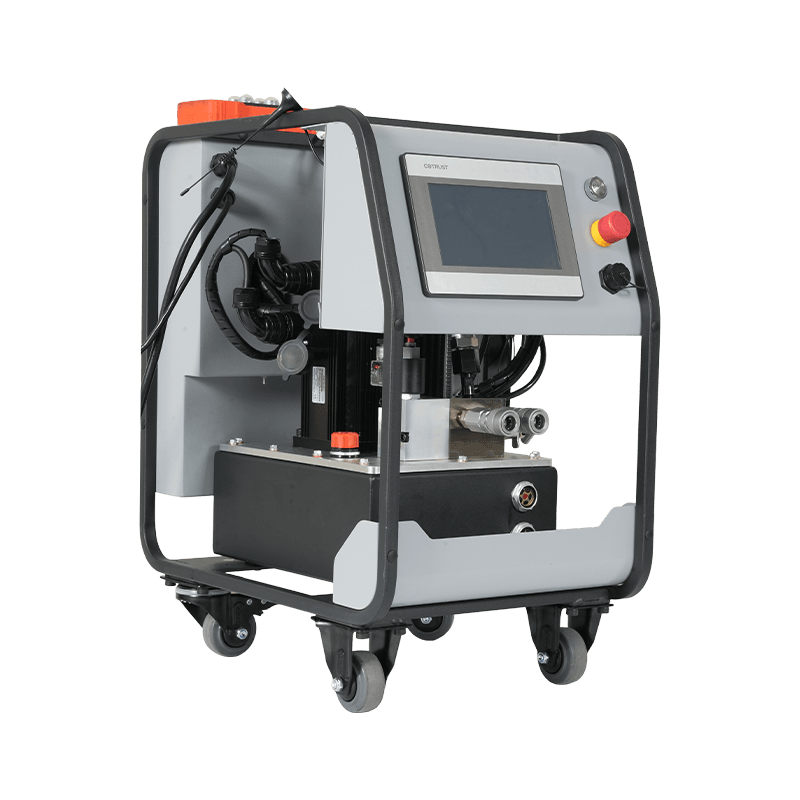
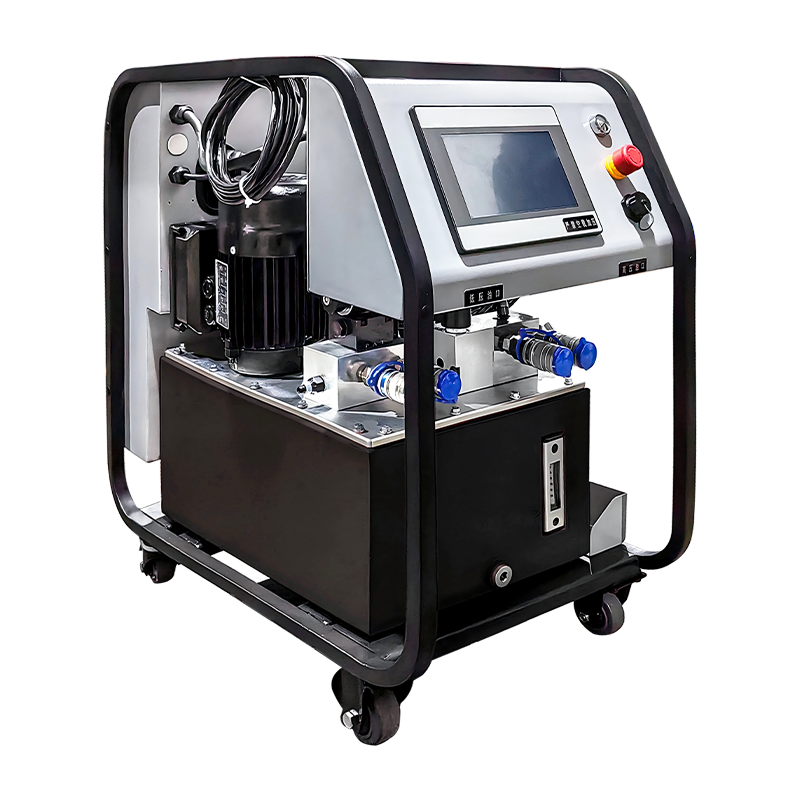
A bolt tensioning pump is the power source behind precise, high-load bolting operations, delivering controlled hydraulic pressure to stretch bolts axially rather than rotating them. This method achieves accurate preload without the friction losses and torsional stresses inherent in traditional torque wrenches. For critical applications in oil and gas, power generation, and heavy machinery, using a dedicated tensioning system ensures joint integrity, prevents leaks, and extends equipment lifespan.
The core advantage lies in direct force application. While torque wrenches rely on thread friction—which can vary by ±25% due to lubrication or surface conditions—hydraulic tensioners apply pure axial load. This results in preload accuracy within ±5%, making tensioning pumps indispensable for flanges, pressure vessels, and structural connections where failure is not an option.
Understanding the mechanics of a bolt tensioning pump clarifies why it outperforms conventional tools. The system operates through a straightforward yet precise sequence:
This process eliminates the "wind-up" effect of torque wrenches, where energy is lost to thread friction. By measuring pressure directly, operators achieve consistent preload regardless of bolt condition or lubrication quality.
Selecting the right bolt tensioning pump depends on job scale, portability needs, and precision requirements. Three primary categories dominate the market:
| Type | Pressure Range | Best Use Case | Key Advantage |
|---|---|---|---|
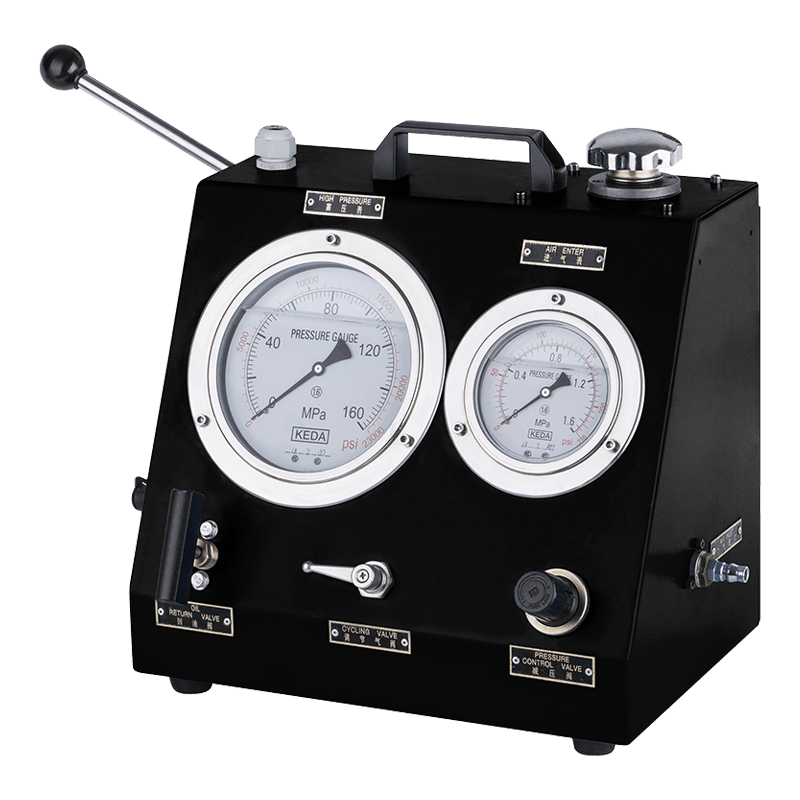
| Manual Hand Pump | Up to 10,000 psi | Small jobs, remote locations, low-frequency use | Portability, no power source needed |
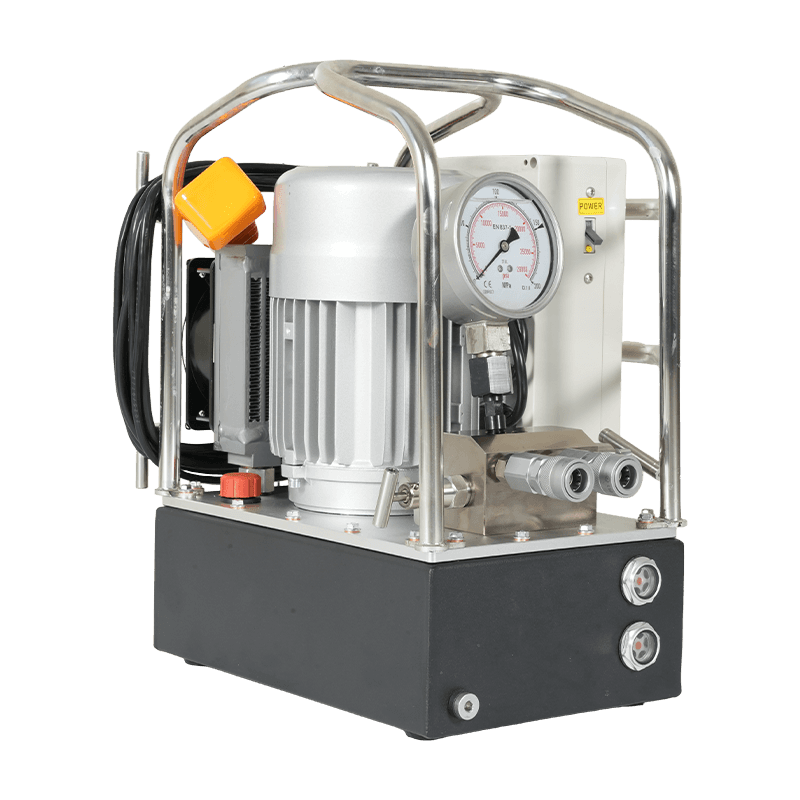
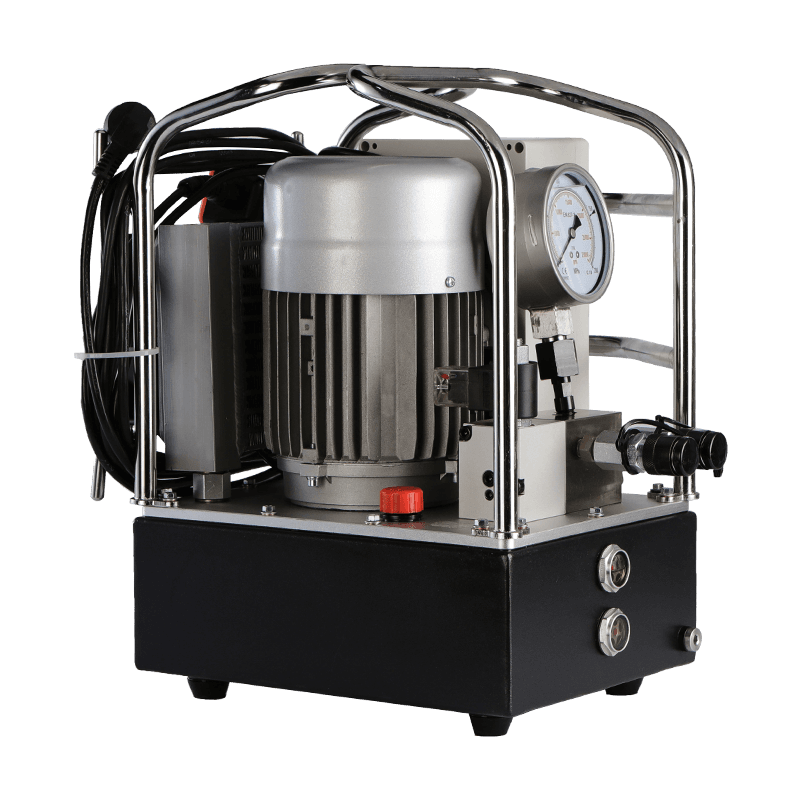
| Electric Pump | Up to 15,000 psi | Industrial plants, repetitive tasks, medium-scale projects | Consistent output, reduced operator fatigue |
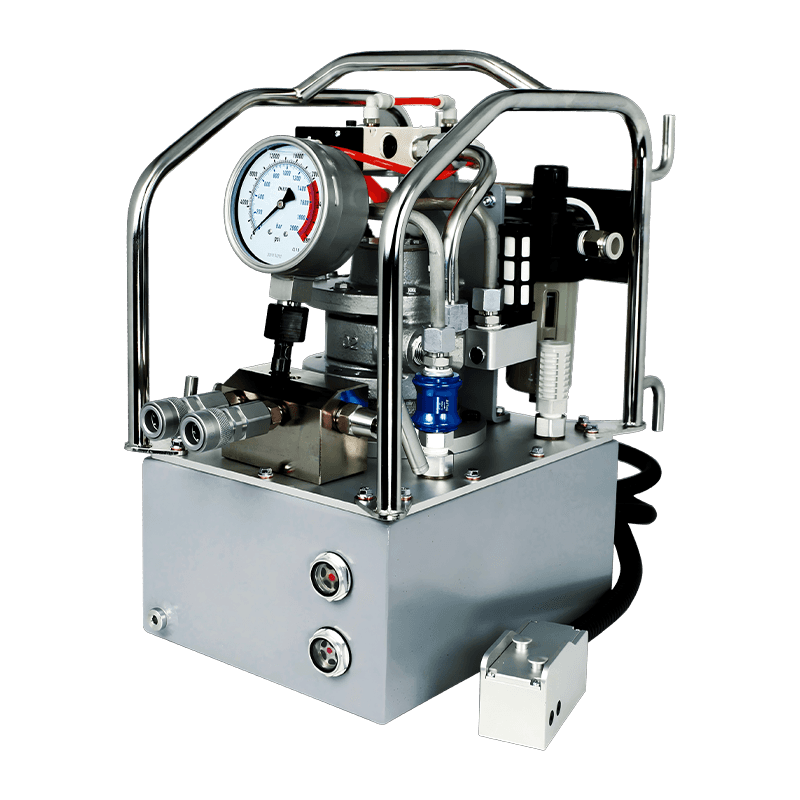
| Pneumatic/Air-Driven Pump | Up to 15,000 psi | Hazardous environments (oil rigs, refineries) | Explosion-proof, safe in flammable atmospheres |
For large-scale flange assemblies with dozens of bolts, electric or pneumatic pumps with multi-outlet manifolds allow simultaneous tensioning, reducing job time by up to 60%. Manual pumps remain ideal for maintenance crews carrying tools into confined spaces where power sources are unavailable.
Switching from torque wrenches to a bolt tensioning pump system delivers measurable improvements in safety, accuracy, and efficiency:
The versatility of bolt tensioning pumps makes them essential in sectors where joint reliability is non-negotiable:
Flanged connections in pipelines and pressure vessels operate under extreme temperatures and pressures. A single leak can cause environmental hazards or shutdowns costing $500,000+ per day. Tensioning pumps ensure uniform clamp load across all flange bolts, preventing gasket blowout. In offshore platforms, pneumatic tensioners are preferred due to their intrinsic safety in explosive atmospheres.
Steam turbine casings and heat exchanger heads require precise bolt loading to maintain seal integrity at temperatures exceeding 500°C. Hydraulic tensioning allows controlled heating and cooling cycles without losing preload, a critical factor during plant startups and shutdowns.
Tower flanges connecting wind turbine sections experience dynamic cyclic loads from wind and rotation. Proper tensioning prevents fretting corrosion and fatigue failures. Modern installation teams use battery-powered tensioning pumps for tower assembly at heights of 80–120 meters, where bringing up heavy equipment is impractical.
Engine bedplates, propeller shafts, and hull sections rely on high-strength bolts subjected to constant vibration. Tensioning pumps provide the initial preload needed to prevent loosening. In dry docks, large-diameter studs (M100+) are tensioned using pumps capable of generating over 1,000 tons of force.
Maximizing the performance of a bolt tensioning pump requires adherence to proven procedures:
Regular calibration of pressure gauges (every 6–12 months) and annual inspection of hydraulic components ensure long-term accuracy. Training operators on proper hose handling and emergency pressure release procedures further enhances workplace safety.
Even robust bolt tensioning pumps require routine care to maintain peak performance. Addressing common issues promptly prevents downtime:
If the pump fails to hold pressure, check O-rings in couplers and tensioner cylinders. Replace worn seals immediately. Air bubbles in the hydraulic fluid can also cause spongy operation; bleed the system according to the manufacturer’s instructions.
Calibrate gauges against a master standard annually. If readings drift between calibrations, replace the gauge rather than attempting field adjustments. Digital gauges with data logging capabilities offer superior traceability.
Continuous operation at maximum pressure generates heat. Allow cooling periods between cycles, especially with manual pumps. Electric pumps with thermal overload protection will shut down automatically; let them cool for 15–20 minutes before restarting.
High-pressure hoses degrade over time. Inspect for abrasion, kinks, or bulging. Replace hoses every 2–3 years or after any incident involving excessive bending or impact. Use whip checks on all connections to contain potential ruptures.
By treating the bolt tensioning pump as a precision instrument rather than a rugged tool, operators ensure consistent results and extend equipment life. Investing in quality maintenance pays dividends through reduced rework, fewer joint failures, and enhanced operational safety across all industrial bolting applications.
The variety of models, to meet the development needs of various regions in the world.
Quick Contact
Products
Stay In Touch
If you have any questions or need help, feel free to contact with our team.
 Custom Hydraulic Tools and Machinery Manufacturers