English
 English
 عربى
Industry News

Content
Hydraulic torque wrenches are the definitive solution for achieving high-precision, high-torque bolted connections in demanding industrial environments. Unlike manual tools that rely on operator strength and consistency, these powered devices deliver consistent accuracy within ±3%, ensuring critical flanges, structural joints, and machinery assemblies remain secure under extreme stress.
The primary advantage lies in their ability to generate massive force with minimal physical effort. A standard hydraulic torque wrench can easily produce up to 10,000 ft-lbs of torque, a task that would be impossible or dangerously inconsistent using manual methods. This capability is essential in sectors like oil and gas, power generation, and heavy construction, where joint failure can lead to catastrophic safety incidents and costly downtime.
Selecting the correct type of hydraulic torque wrench depends largely on the accessibility of the bolt and the required torque value. Understanding the mechanical differences between square drive and low-profile models ensures efficient and safe operation.
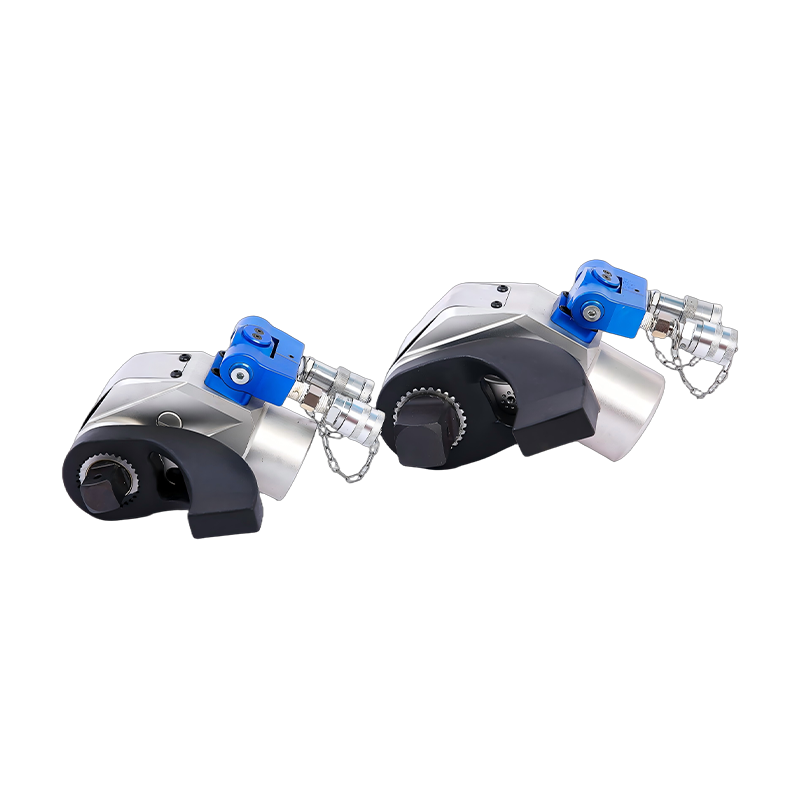
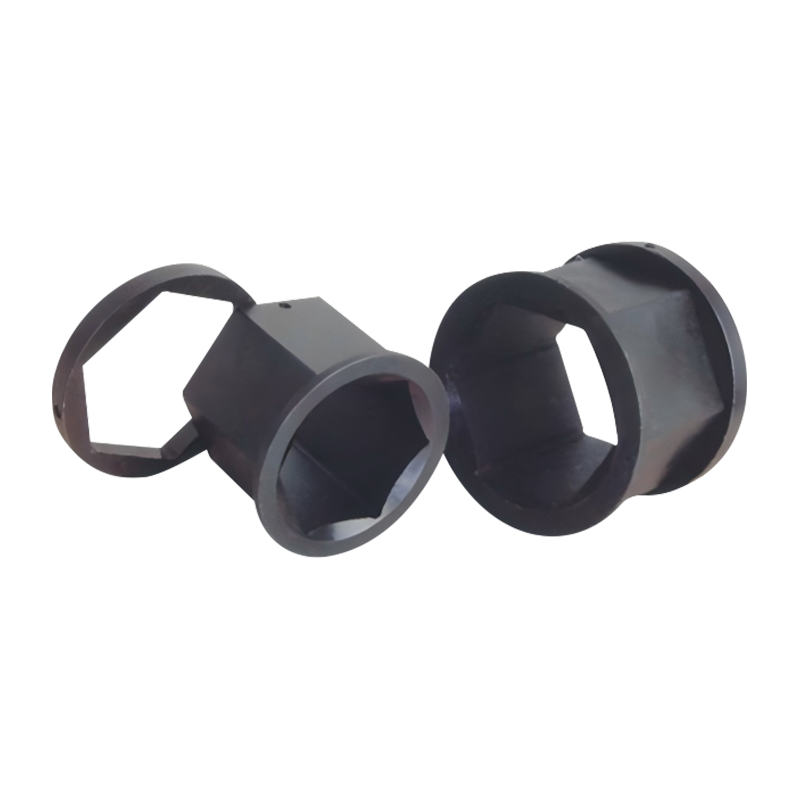
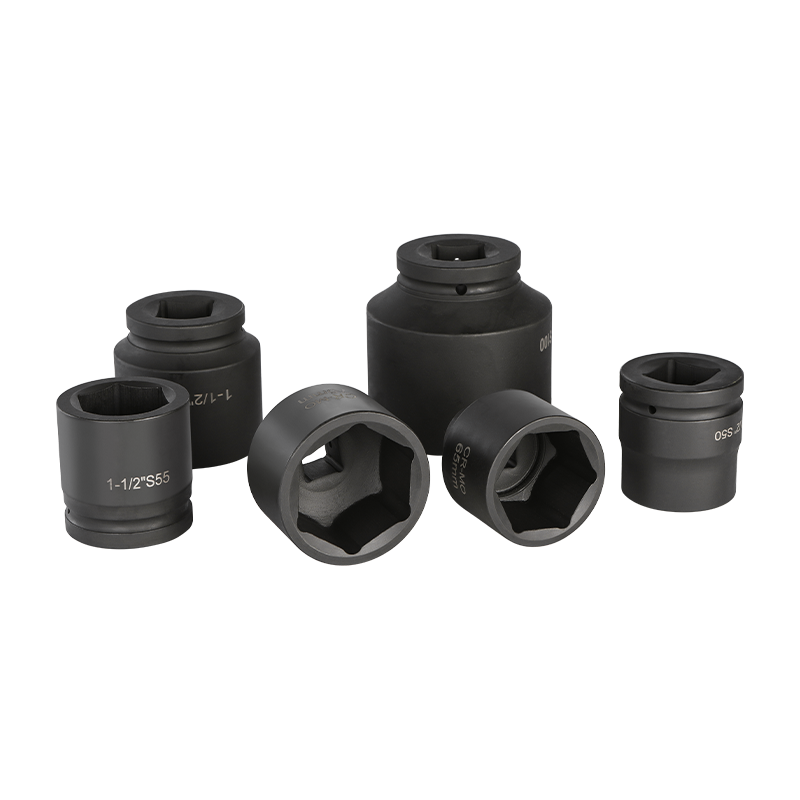
Square drive wrenches function similarly to traditional ratchets but are powered by hydraulic pressure. They require the use of separate sockets and reaction arms. These tools are highly versatile and cost-effective for general applications where space is not severely restricted. They are ideal for torque ranges between 1,000 and 5,000 ft-lbs and allow users to leverage existing socket inventories.
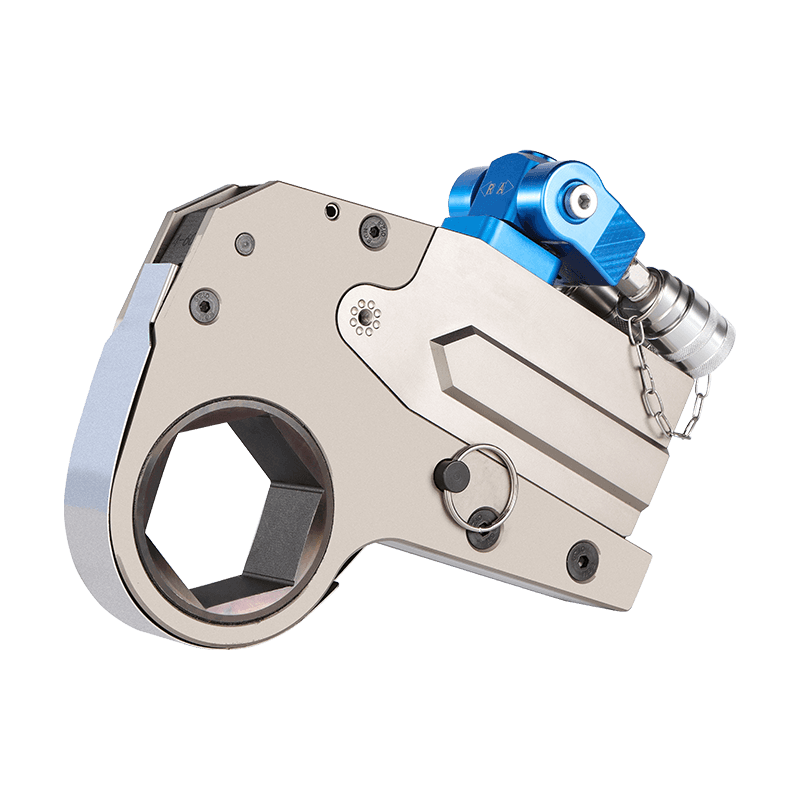
Designed for tight spaces, low-profile wrenches integrate the socket and reaction point into a compact cassette head. This design eliminates the need for a separate reaction arm, allowing the tool to fit between closely spaced flanges or inside confined machinery housings. While typically more expensive, they offer superior safety and ease of use in complex assemblies, handling torques exceeding 10,000 ft-lbs with minimal clearance requirements.
| Feature | Square Drive | Low-Profile Cassette |
|---|---|---|
| Space Requirement | High (Needs swing room) | Minimal (Fits tight gaps) |
| Reaction Arm | Required | Integrated |
| Versatility | High (Interchangeable sockets) | Limited (Specific cassettes) |
| Cost | Lower Initial Investment | Higher Initial Investment |
Operating hydraulic torque wrenches involves significant forces that pose serious safety risks if mishandled. Adhering to strict safety protocols protects operators from pinch points, hose whip, and tool failure.
The reaction arm must be secured against a solid, immovable object capable of withstanding the full torque load. Never react against another bolt or a weak structure. Ensure the reaction point is perpendicular to the force vector to prevent slippage. For square drive tools, verify that the reaction arm is locked securely into the tool body before applying pressure.
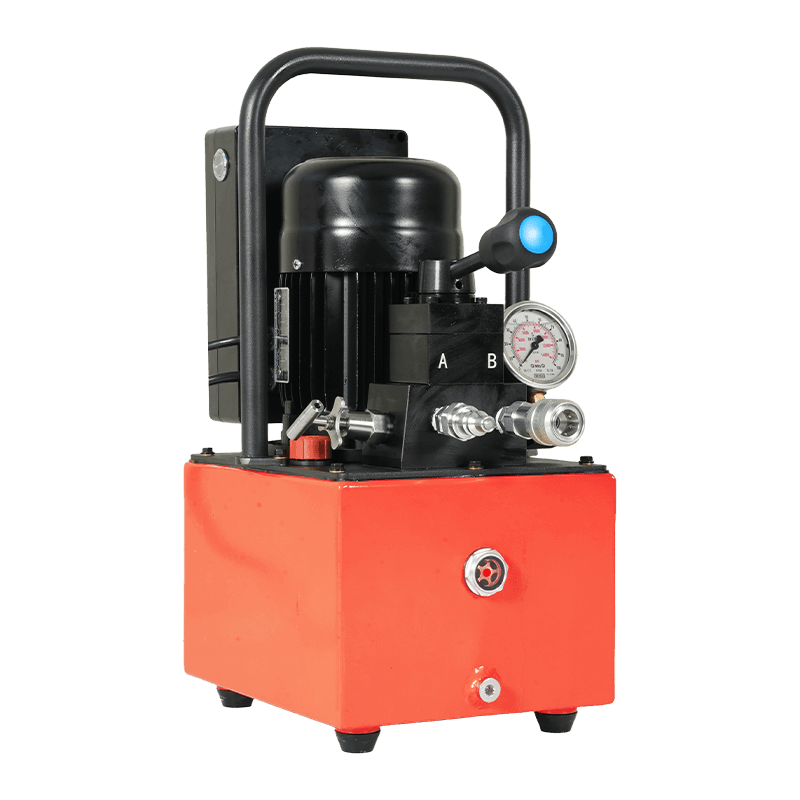
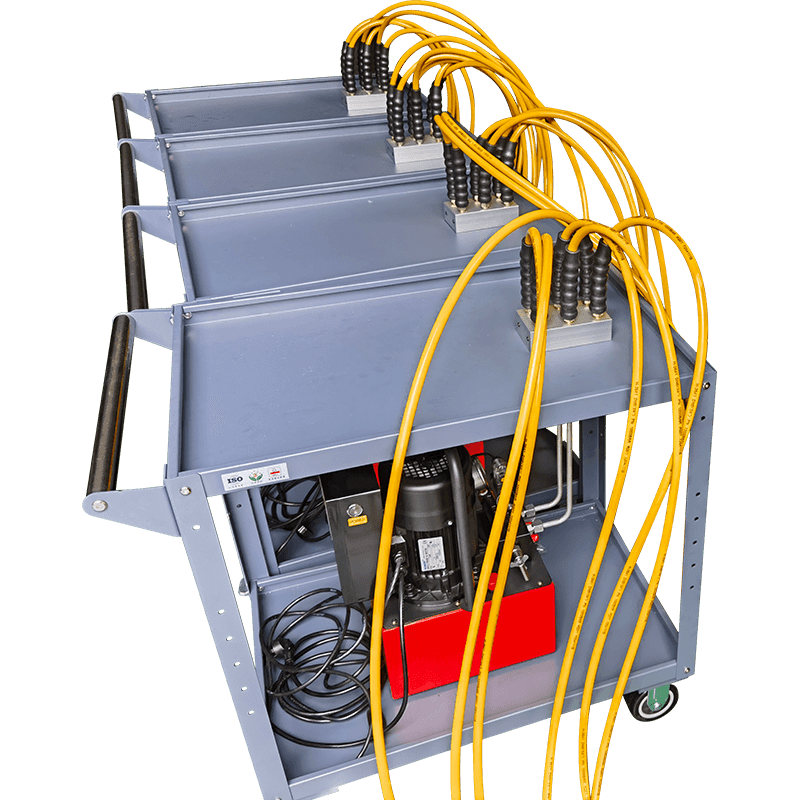
Hydraulic hoses should be inspected for cuts, bulges, or leaks before each use. Keep hoses away from sharp edges and hot surfaces. When operating, stand clear of the hose path to avoid injury in case of a sudden rupture. Always use a calibrated pressure gauge and pump to ensure the applied torque matches the specification. Never exceed the rated pressure of the wrench or the fastener.
To maintain the ±3% accuracy rating, hydraulic torque wrenches require regular maintenance and periodic calibration. Neglecting these steps can lead to inaccurate torque application, resulting in joint failure or equipment damage.
After each use, clean the tool thoroughly to remove dirt, grease, and metal shavings. Lubricate moving parts such as the ratchet mechanism and piston seals with manufacturer-recommended hydraulic oil. Store the wrench in a dry, temperature-controlled environment to prevent corrosion and seal degradation.
Calibration should be performed at least annually or after every 5,000 cycles, whichever comes first. If the tool is dropped or subjected to an overload, immediate recalibration is necessary. Use only certified calibration laboratories that adhere to ISO 17025 standards to ensure traceability and compliance with industry regulations.
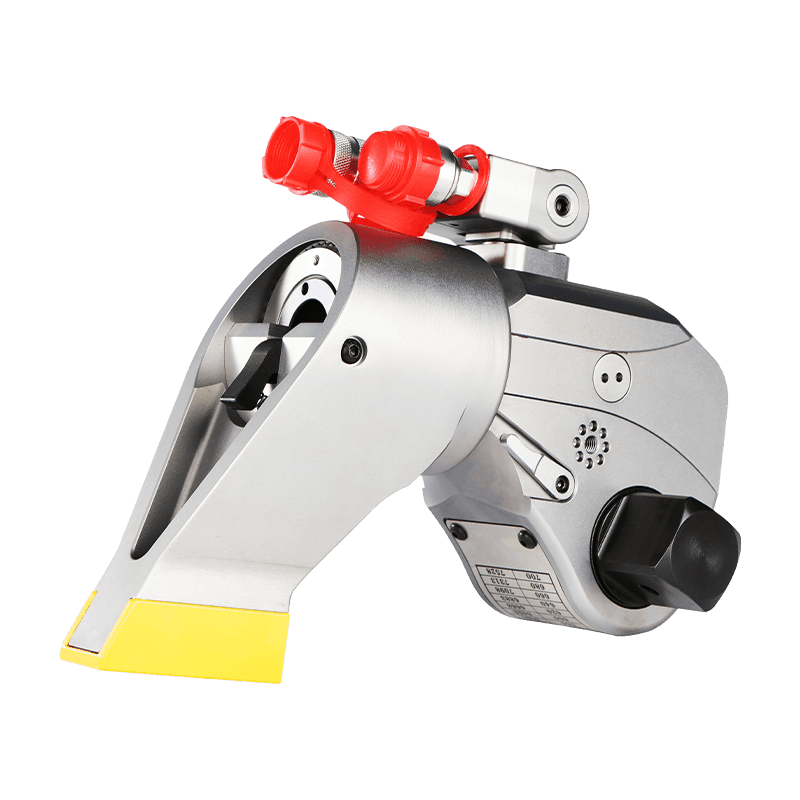
The variety of models, to meet the development needs of various regions in the world.
Quick Contact
Products
Stay In Touch
If you have any questions or need help, feel free to contact with our team.
 Custom Hydraulic Tools and Machinery Manufacturers