English
 English
 عربى
Industry News

Content
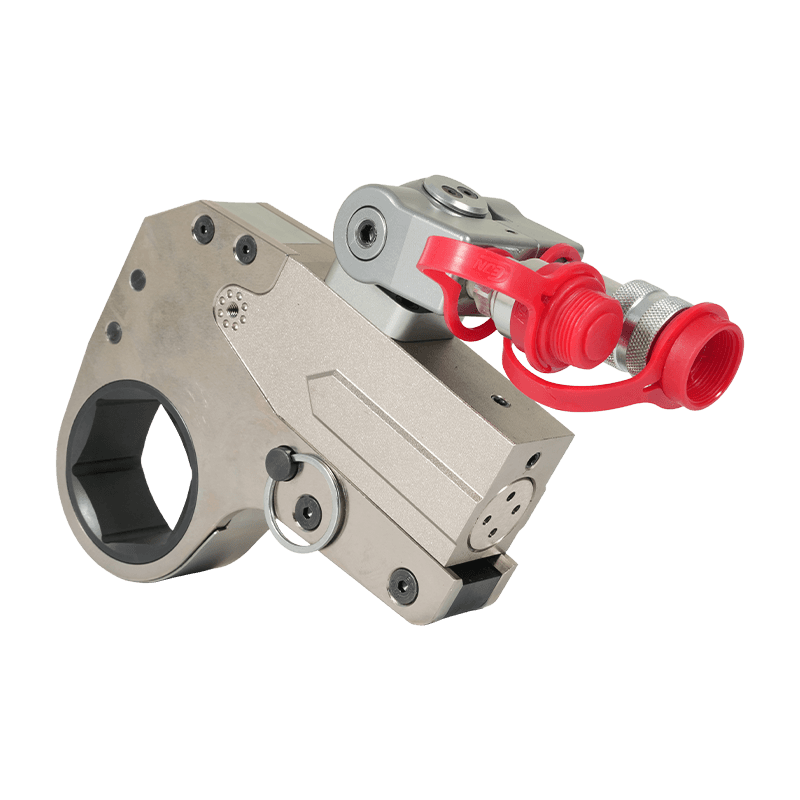
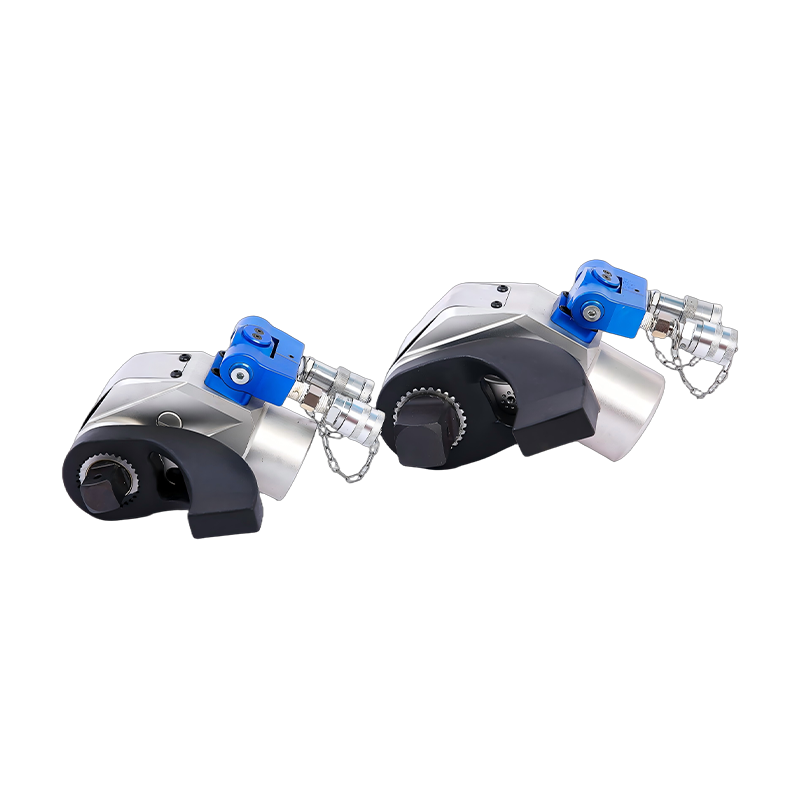
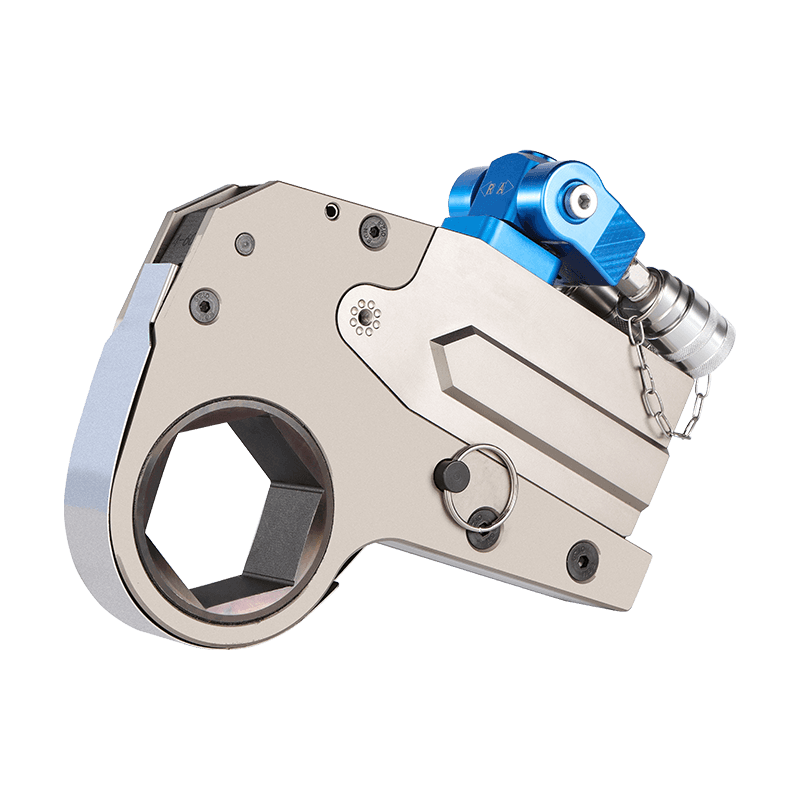
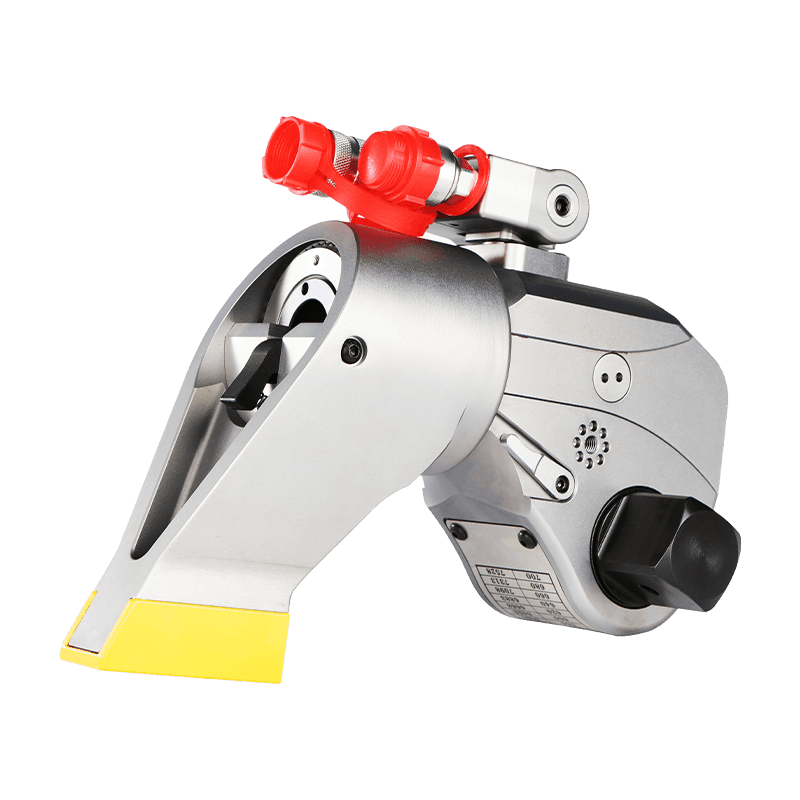
A hydraulic torque wrench is primarily used for tightening or loosening large, high-strength bolts with extreme precision and force. Unlike manual tools, it utilizes hydraulic pressure to generate torque outputs ranging from 1,000 to over 50,000 foot-pounds, ensuring critical connections in heavy industry are secured to exact engineering specifications.
These tools are essential in sectors where bolt failure can lead to catastrophic consequences, such as oil and gas pipelines, wind turbine assembly, and bridge construction. By eliminating human error and physical fatigue, hydraulic wrenches guarantee that every bolt achieves the required clamp load, maintaining structural integrity under intense operational stress.
The unique ability to deliver massive, controlled force makes hydraulic torque wrenches indispensable in several specialized fields. Their application is not just about power, but about achieving repeatable accuracy in environments where safety is paramount.
In refineries and offshore platforms, flanges connect miles of piping carrying hazardous materials under high pressure. A single improperly torqued bolt can cause leaks, fires, or explosions. Hydraulic wrenches ensure that all bolts on a flange are tightened uniformly to prevent gasket failure. For example, a standard 2-inch pipeline flange may require 15,000 foot-pounds of torque, a task impossible to perform accurately with manual impact wrenches.
Wind turbine towers consist of massive steel sections bolted together at great heights. Technicians use hydraulic torque wrenches to secure foundation bolts that anchor the tower to the ground and blade hub bolts that withstand immense rotational forces. Precision is critical here because uneven torque can lead to metal fatigue and structural failure over time.
Excavators, crushers, and haul trucks operate under extreme vibration and load. Hydraulic wrenches are used to maintain track pads, wheel hubs, and structural frames. The consistent torque application prevents bolts from loosening during operation, reducing downtime and maintenance costs.
| Tool Type | Max Torque (ft-lbs) | Accuracy | Best Use Case |
|---|---|---|---|
| Manual Breaker Bar | ~500 | Low (±15%) | Small automotive repairs |
| Pneumatic Impact | ~2,500 | Medium (±10%) | General assembly, truck tires |
| Hydraulic Torque Wrench | 5,000 - 50,000+ | High (±3-5%) | Critical infrastructure, flanges |
Choosing a hydraulic torque wrench over other methods offers distinct operational benefits that justify the investment for serious industrial work.
Selecting the appropriate tool depends on specific job requirements. Understanding key specifications ensures you choose a model that delivers both power and precision.
Determine the maximum torque required for your largest bolts. It is advisable to choose a wrench with a capacity 20-30% higher than your typical maximum requirement. Operating a tool near its absolute limit can reduce accuracy and lifespan. For most industrial flange work, a range of 5,000 to 10,000 ft-lbs is common, while heavy structural steel may require 20,000 ft-lbs or more.
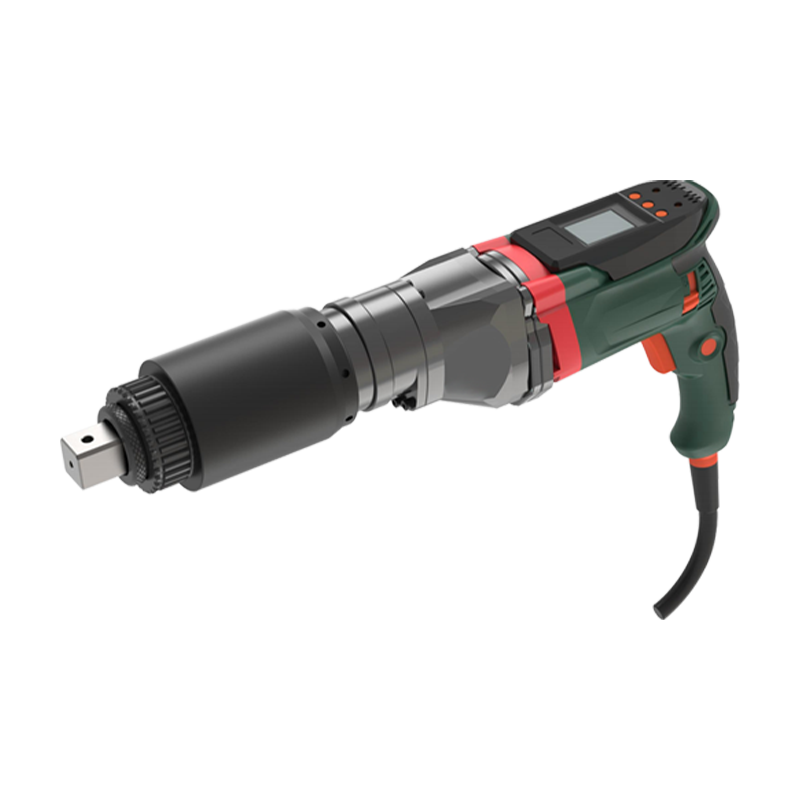
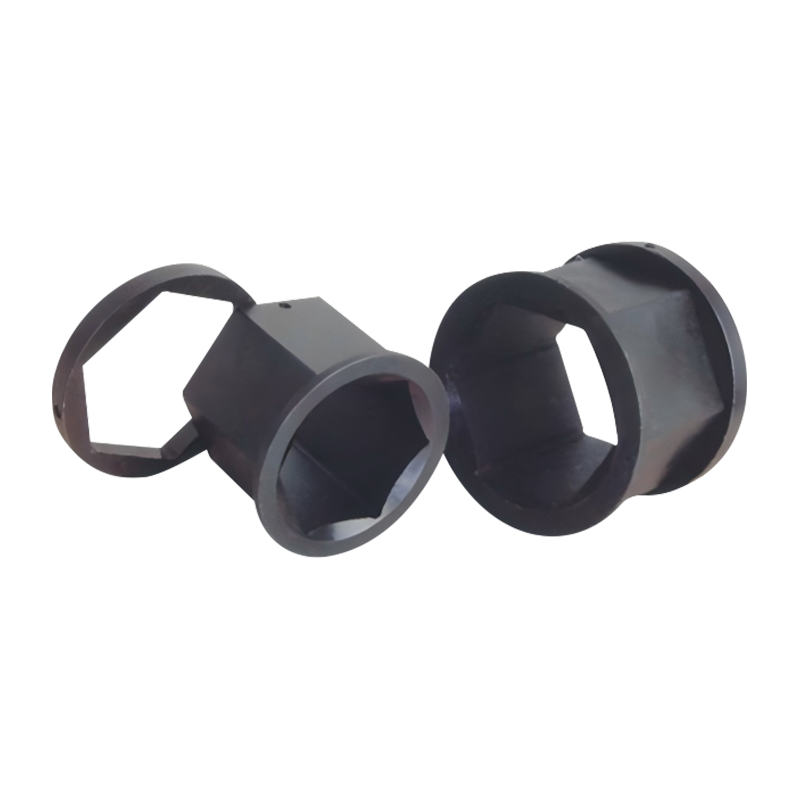
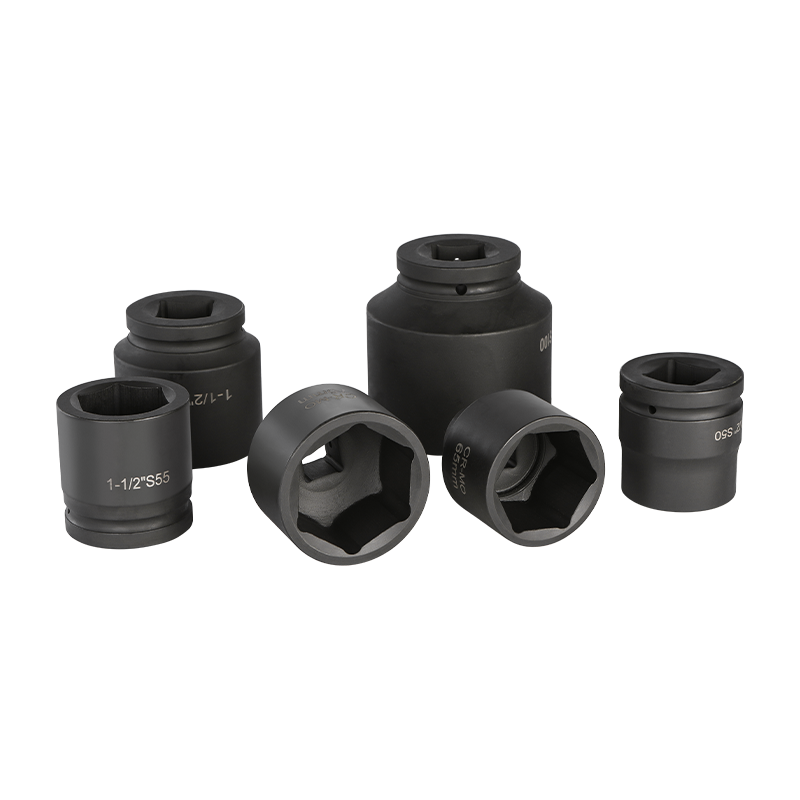
Hydraulic wrenches come with various square drive sizes, typically from 1/2 inch to 2.5 inches. The drive size must match the sockets available for your bolts. Larger drives handle higher torque loads without deforming. Ensure your socket set is rated for the same torque capacity as the wrench to prevent equipment failure.
Most hydraulic wrenches require an external hydraulic pump. Consider whether you need an electric pump for shop use or a battery-powered pump for fieldwork. Modern lithium-ion battery pumps offer excellent portability and eliminate the need for cumbersome hoses, making them ideal for remote sites like wind farms or pipeline inspections.
In conclusion, a hydraulic torque wrench is used for achieving high-precision, high-torque fastening in critical industrial applications. Its ability to deliver consistent, measurable force makes it the gold standard for securing bolts in oil and gas, energy, and heavy construction sectors. By understanding its specific uses and selecting the right specifications, professionals can enhance safety, efficiency, and reliability in their most demanding projects.
The variety of models, to meet the development needs of various regions in the world.
Quick Contact
Products
Stay In Touch
If you have any questions or need help, feel free to contact with our team.
 Custom Hydraulic Tools and Machinery Manufacturers